Centro Cultural De España (CCE)
Since 2013, the old Cine Lux, located in the Historic Center of the Guatemalan capital, has been in use. The building was built in 1936, and is characterized by a style art-deco. Within the building, the activities of the Cultural Center of Spain offer participatory exchanges addressing contemporary dialogues. The platform is open to the accompaniment and visibility of creative and innovative processes to promote inclusive cultural dynamics.

Horario
Tuesday to Saturday: 10 - 19 h
Hours
Tuesday to saturday: 10 – 19 h
Since 2013, it has been housed in the former Cine Lux, located in Guatemala City's historic district. The property was built in 1936 and is characterized by an Art Deco style. Within the building, the CCE offers participatory exchanges through contemporary dialogues. The platform is open to supporting and showcasing creative and innovative processes to foster inclusive cultural dynamics.
About the artists at the venue
At the CCE, ‘The World Tree’ emerges as a powerful symbol, presenting diverse artists whose works delve into themes of ecology, memory, migration and identity. They weave a narrative that traverses environmental crises, silenced histories and cultural resistance.
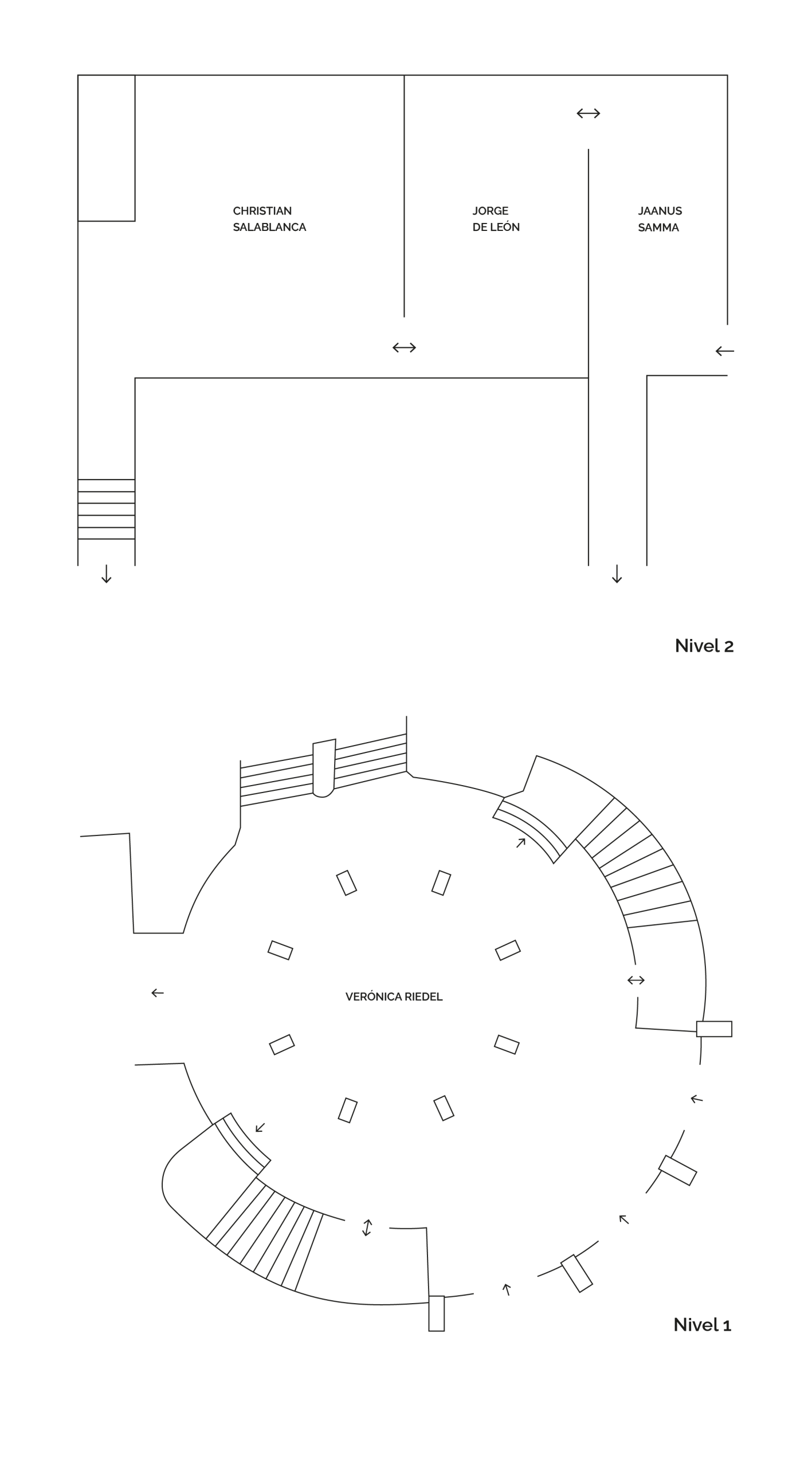
Inspired by the ecological disaster of Lake Atitlán, the intervention of Veronica Riedel, which encompasses several locations in the CCE, serves as a poignant reminder of our environmental responsibilities.
Challenging the inequities of cross-border movements, Jorge de León complexifies this narrative: the transnational movement of art, backed by permits and insurance, differs from the perilous journeys of countless people without guarantees.
The recovery of everyday traditional knowledge silenced by colonialism is the driving force behind the work of Christian Salablanca, strengthening the roots of a cultural identity that has been historically marginalized.
Finally, Jaanus Samma examines Estonian myth and historical memory, reflecting on the construction of national identity and the role of the artist at the intersection of war, politics and popular culture.
At the CCE, these artists cultivate ‘The World Tree’ as a vibrant symbol of ecological, cultural and political resilience, presenting artistic proposals that capture attention and inspire action.
About the artists at this venue
At the CCE, ‘The World Tree’ emerges as a powerful symbol, presenting diverse artists whose work delves into themes of ecology, memory, migration, and identity. They weave a narrative across environmental crises, silenced histories, and cultural resistance.
Inspired by the ecological disaster at Lake Atitlán, Veronica Riedel‘s intervention, which spans various locations of the CCE, serves as a poignant reminder of our environmental responsibilities.
By questioning the inequities of cross-border movements, Jorge de León complicates this narrative: art's transnational movement, backed by permits and insurance, differs from the perilous journeys of countless individuals without guarantees.
The reclaim of everyday traditional knowledge silenced by colonialism drives Christian Salablanca‘s work, strengthening the roots of cultural identity that have been historically marginalized.
Lastly, Jaanus Samma examines Estonian myth and historical memory, reflecting on the construction of national identity and the artist's role at the intersection of war, politics, and popular culture.
At the CCE, these artists cultivate ‘The World Tree’ as a vibrant symbol of ecological, cultural, and political resilience, presenting artistic propositions that command attention and inspire action.
Mapa de la sede